
Bugs, Hair, Dust, and All
 Varnishing a painting sounds simple, but it comes with its own set of challenges. From brush
strokes to spray varnish and an unexpected hair caught during the final coat of varnish, this is
a reflection on the process and what it has taught me. Sometimes the smallest imperfections end
up teaching the biggest lessons.
Varnishing a painting sounds simple, but it comes with its own set of challenges. From brush
strokes to spray varnish and an unexpected hair caught during the final coat of varnish, this is
a reflection on the process and what it has taught me. Sometimes the smallest imperfections end
up teaching the biggest lessons.
17 April 2026
I learned something about varnishing the hard way.
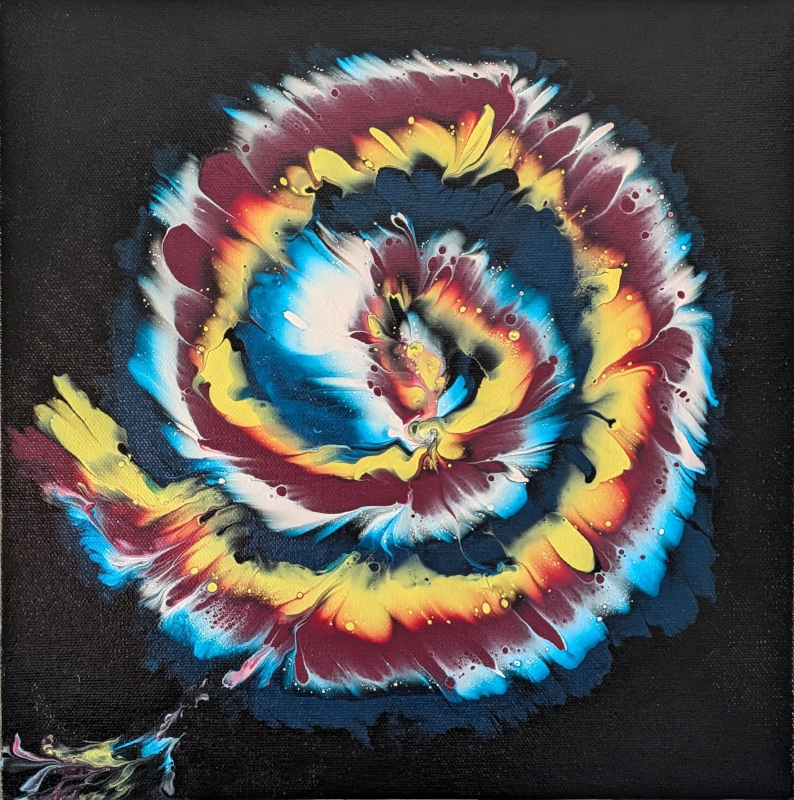
It was one of the first times I varnished a painting I really loved. This one was different from many of my other pieces. It was a pour painting using a colander, more intuitive than planned, more about letting the paint move than carefully building it up.
When it dried, I loved it. The colors, the movement, the way everything settled. It felt finished in that rare, satisfying way.
All that was left was to protect it.
So I varnished it.
Carefully. Patiently. Multiple coats, just like you are supposed to.
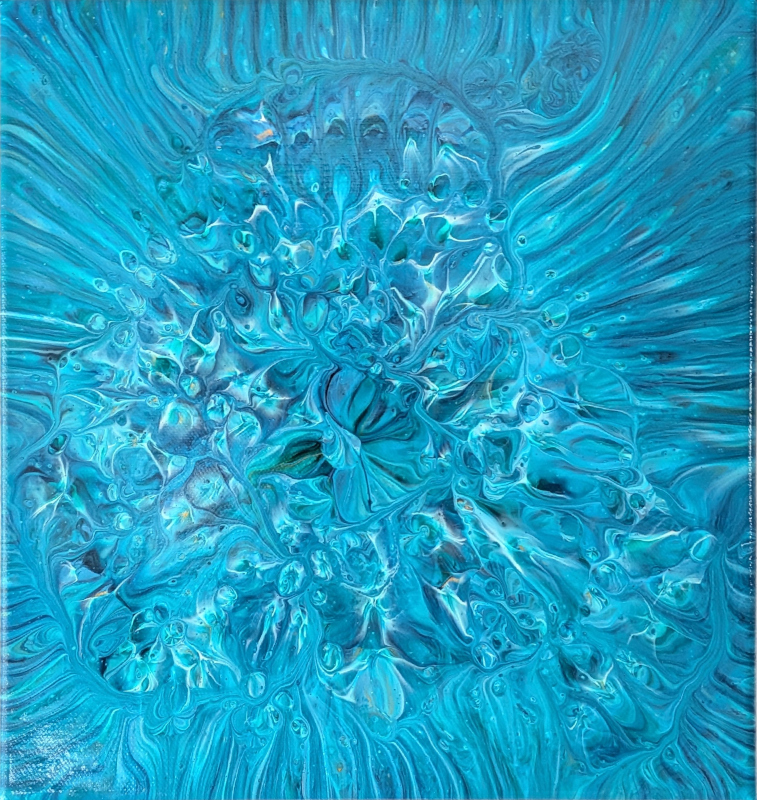
It looked beautiful when I finished. Smooth, even, and just a little more alive.
The next day I came back to admire it and immediately saw it. A single hair, caught in the surface, sealed perfectly into the varnish while it dried.
I just stood there staring at it.
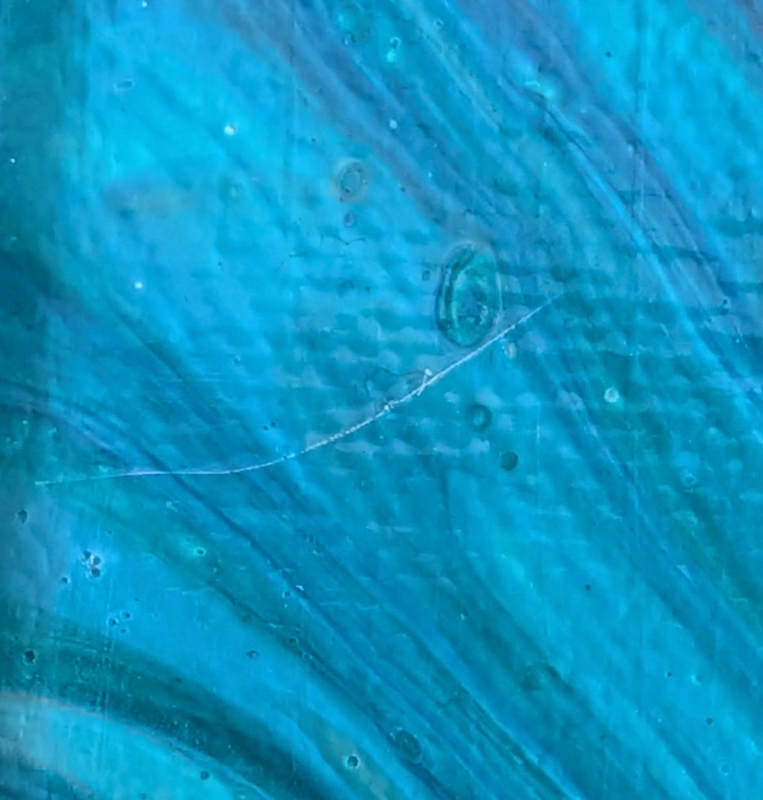
After all that work and care, it was the only thing I could see. It still is. I have not fixed it yet. It will need sanding and revarnishing, which feels like a project for another day.
That moment is probably why I still dread varnishing a little.
When you finish a painting, there is this sense of completion. You can sit with it for weeks, just enjoying it as it is. But eventually, you know it is time to varnish. Not because you want to, but because you should. It protects the work and helps it last.
The process itself is not difficult. The real challenge is everything around it. The setup, the waiting between coats, and the constant awareness that something small and out of your control can land on the surface while it cures.
I am no expert when it comes to varnishing, but I have done it enough times now that I have learned a few things.
The first time I varnished, I used a brush. You apply soft, even coats in one direction, let it dry, and then repeat in the opposite direction. It usually takes three or four coats. When I tried it, I kept getting visible brush strokes that drove me nuts. After six coats, I gave up and started researching what I was doing wrong.
It turns out a lot of artists prefer spray varnish for this exact reason, so I switched. It was easier, more consistent, and gave a much smoother finish. That same pour painting, the one I had loved so immediately and which already had six brushed coats, ended up with two additional spray coats just to even everything out.
And then, of course, came the hair.
As frustrating as that was, it taught me something. Today I approached the whole process differently.
I prefer to varnish outside to avoid the fumes, but that means everything has to be just right. Not too windy, not too hot, not too cold. It really does feel like a Goldilocks situation.
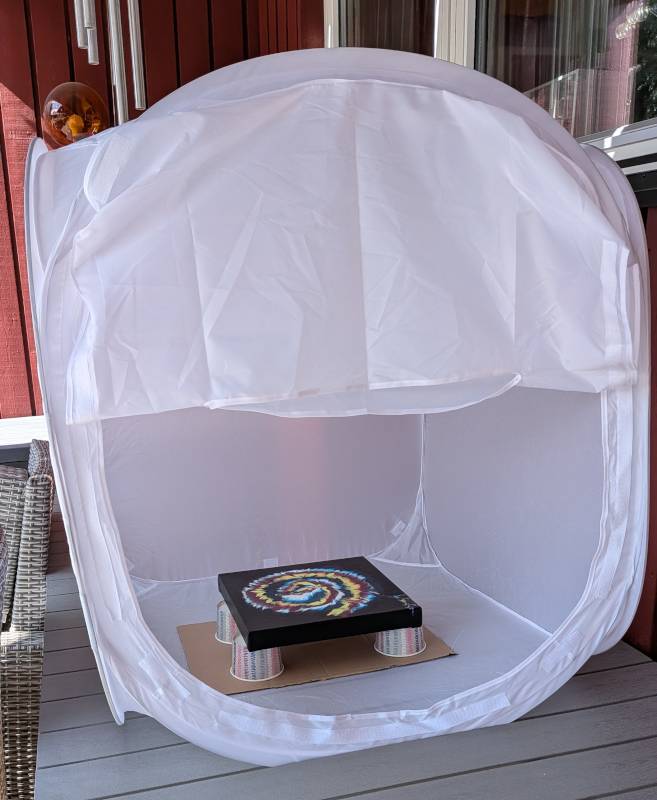
This time, I also tried something new. I used my large 80 cm light tent as a drying chamber to protect the painting while it cured. Before I even started, I wiped down the table, the cardboard I was using, the tent, and everything nearby.
At one point, I had to pause to rescue a giant bumblebee that had gotten stuck inside one of our chairs. It seemed very relieved once I freed it. It even flew back past me, which I am choosing to believe was its way of saying thank you.
Once everything was finally ready, I started. This time, it went a lot more smoothly.
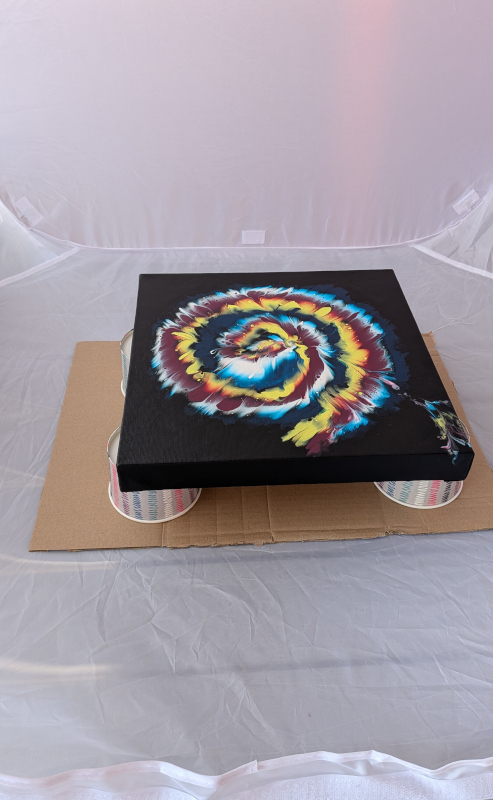
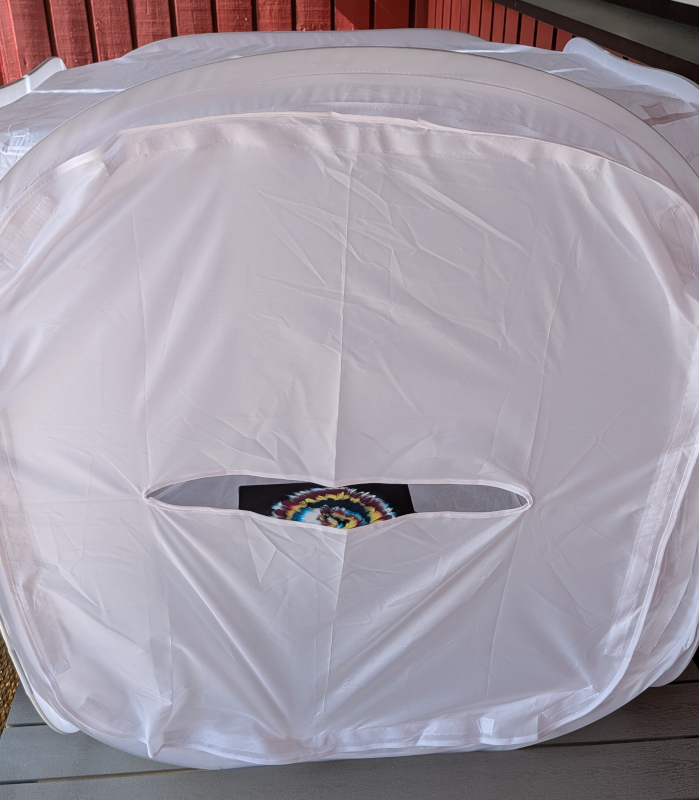
No bugs, no dust, no unexpected additions to the finish. I am choosing to believe the varnishing gods were in a good mood today.
Part of being an artist, or really doing anything, is learning to accept that you are not going to get everything right the first time. Or the second time. Or even the tenth.
Sometimes I miss being very good at something, like I was when I worked as an analyst. But if I am honest with myself, I did not start out that way. It took years of learning and repetition.
The same is true for my art.
Each painting teaches me something. Each mistake makes the next attempt a little better. Even the frustrating ones, like a single hair caught in varnish, have something to offer.
Even on the days when I feel tired, or when things do not go perfectly, making art still feels worth it.
Bugs, hair, dust, and all.
Today, at least, things went a little more right.